
Selecting the top cricket gloves for batting comfort: the ergonomic selection guide framework is the single most vital personal equipment decision a batsman makes to guarantee optimal weapon tactile control, insulate the hands against devastating bone-fracture impacts, and maintain a dry moisture barrier across long, grueling innings. In competitive cricket, an amateur gear misconception is that batting gloves serve purely as a basic barrier for warmth or generic skin protection. In reality, modern handwear functions as a highly complex shock-absorption interface. When facing a high-velocity leather ball traveling at over 90 miles per hour, your gloves are responsible for deflecting thousands of pounds of concentrated kinetic energy while providing the micro-tactile feedback required to control delicate late-cut or glance selections.
As the international sports textile engineering market accelerates through 2026, the integration of advanced impact gels, high-ventilation mesh weaves, and premium organic leathers has revolutionized hand comfort. Choosing the correct glove layout is no longer a matter of brand aesthetic or simple price points; it is a calculated calculation tailored to finger articulation mechanics, moisture evaporation rates, and your specific position in the batting lineup.
In this comprehensive, data-backed equipment analysis, we will break down the structural anatomy of premium protective handwear, present the definitive leaderboard of the top five ergonomic configurations operating this year, and deliver a systematic conditioning blueprint to extend your gear’s operational lifespan.
The Structural Engineering of Batting Comfort
To truly navigate our breakdown of the top cricket gloves for batting comfort: the ergonomic selection guide, you must first comprehend the core material and structural pillars that define modern hand protective design.
1. Palm Material Science: Kangaroo vs. Sheep Skin Leather
The palm sheet is the most critical contact zone because it defines your connection with the rubber bat grip. Top-tier manufacturers utilize two primary premium organic materials:
-
Pittards Premium Sheep Skin: Celebrated for its ultra-soft, immediate out-of-the-box comfort and high fiber density. It offers exceptional natural flexibility but requires careful drying protocols to prevent the leather from hardening after heavy sweating.
-
Kangaroo Leather (K-Leather): The ultimate high-performance engineering textile. Kangaroo leather possesses an incredibly high tensile strength at a fraction of the thickness of traditional cow or sheep skins. This allows developers to build ultra-thin palms that maximize tactile grip feel and durability while remaining light and highly breathable.
2. Finger Articulation Formats: Split-Finger vs. Traditional Sausage Cut
The geometric layout of the protective finger armor entirely governs your hand’s ergonomic flexibility and grip comfort:
-
Traditional Block / Sausage Cut: Features continuous, undivided foam blocks running along the length of each finger. This layout delivers absolute maximum impact protection because there are no physical gaps in the armor plating. However, it compromises lateral articulation, creating a stiffer grip profile that requires a longer break-in period.
-
Split-Finger / Multi-Flex Matrix: Divides the finger protection into multiple independent blocks, joints, and multi-angled V-splits. This format conforms perfectly to the natural anatomical curl of your hands around the handle, offering immediate, unrestricted comfort and maximum wrist flexibility from day one.
The Top 5 Best Cricket Gloves for Batting Comfort
The following professional batting gloves have been audited and selected based on their shock-absorption materials, palm leather breathability, internal airflow ventilation metrics, and structural seam placement.
1. Gray-Nicolls Legend Batting Gloves
The undisputed global benchmark for traditional aesthetic styling married to cutting-edge modern impact ergonomics.
-
The Ergonomic Profile: Utilizes a highly advanced multi-section split-finger matrix stuffed with high-density foam overlays and curved lightweight composite fiber shields. The palm is crafted from the highest grade Pittards leather, backed by an integrated double-sided sweatband that keeps moisture away from the wrist junction completely.
2. Kookaburra Kahuna Pro Gloves
Engineered explicitly for aggressive stroke-makers who demand maximum hand speed, high flexibility, and continuous lateral thumb protection.
-
The Ergonomic Profile: Features a hybrid ergonomic layout combining block-cut padding on the dominant fingers with multi-split joints on the lower hand joints. It incorporates localized Poron XRD impact absorption foam—a revolutionary smart material that stays soft during movement but instantly hardens upon high-velocity ball contact to neutralize shock waves.
3. Gunn & Moore (GM) Prima DX Gloves
A masterclass in tailored handwear design, built for players who prioritize ultra-light mass profiles and high ventilation layouts.
-
The Ergonomic Profile: Renders a clean, lightweight matrix utilizing multi-layered raw cotton and hyper-dense foam blocks. The side-barrier protection system features a multi-tiered structural bolster shield that isolates the vulnerable lead index finger from painful impact injuries during mistimed pull shots.
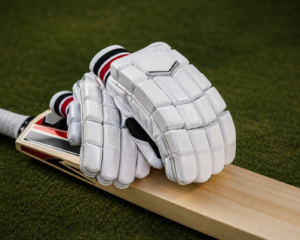
4. DSC Intense Pro Batting Gloves
A high-performance, cost-effective alternative designed for club players who face fast bowling and operate across highly humid tropical environments.
-
The Ergonomic Profile: Incorporates a top-tier premium calf leather palm reinforced with structural wear patches along the high-friction thumb and heel zones. The finger blocks deploy an innovative airflow ventilation mesh system that vents heat and hot air away from the skin surface continuously during long innings.
5. Masuri E-Line Pro Gloves
Built by the world’s leading head protection engineers, Masuri brings their uncompromising scientific approach to player safety directly to handwear.
-
The Ergonomic Profile: Features a unique “glove-within-a-glove” internal stabilization design. The E-Line utilizes advanced carbon-fiber composite shells embedded directly into the finger tips, creating a rigid skeletal shield that completely neutralizes impact energy before it reaches your fingers, making it the most reassuringly protective glove on the market.
Step-by-Step Conditioning Blueprint to Extend Glove Lifespan
No matter which top cricket gloves for batting comfort: the ergonomic selection guide configuration you deploy, high-end leather handwear is an assembly of organic skins and porous foams that will harden, tear, and emit foul odors rapidly if subjected to improper post-match care. Implement this preservation protocol:
Step 1: Execute Immediate Air Desiccation (Drying Phase)
When you complete a long batting session, your gloves are saturated with acidic hand sweat. Never pack damp gloves directly into a dark, sealed cricket kit bag, as this traps bacteria, rots the stitching lines, and hardens the leather palm sheet permanently. Your Action: Immediately hang your gloves up to dry naturally in a well-ventilated, shaded room away from direct sunlight or heavy radiator heat, allowing the moisture to evaporate smoothly.
Step 2: Implement Leather Softening Restoration
Over continuous usage cycles, the natural evaporation of sweat strips the essential oils from the sheepskin or kangaroo palm leather, causing it to become dry, stiff, and prone to cracking. Your Action: Every month, apply a microscopic layer of specialized leather conditioner or pure neatsfoot oil directly onto the clean palm surfaces using a soft cloth. Massage the oil gently into the high-stress thumb junctions to keep the leather soft and responsive.
Step 3: Regular Insertion of Antibacterial Deodorizing Inserts
Because washing foam batting gloves in a standard laundry machine completely destroys the internal shock-absorption properties, odor mitigation must be handled preventatively. Your Action: Insert dedicated cedar-wood shoe inserts or moisture-absorbing charcoal pouches directly into the glove interiors after every game to completely neutralize mold spores and keep the inner linings smelling fresh.
Structural Performance Comparison Matrix
To provide your readers with a clear, scannable overview to optimize their next equipment acquisition, review the compiled matrix of batting glove specifications below:
| Glove Model Name | Palm Leather Material | Finger Cut Configuration | Primary Protective Core | Ideal Batting Position |
| Gray-Nicolls Legend | Premium Pittards Sheep | Multi-Flex Split Finger | Composite Fiber Shields | Top-Order Opening Batsmen |
| Kookaburra Kahuna Pro | High-Grade K-Leather | Hybrid Block / Split | Poron XRD Intelligent Gel | Aggressive Middle-Order Stroke Makers |
| Gunn & Moore Prima DX | Premium Calf Leather | Block Sausage Cut | Multi-Layered Raw Cotton | Defensive Anchor Batsmen |
| DSC Intense Pro | Reinforced Calf Leather | Multi-Flex Split Finger | High-Density Airflow Foam | Club All-Rounders / Lower Order |
| Masuri E-Line Pro | Elite Sheep Skin Skin | Advanced Segmented Split | Carbon-Fiber Plate Shells | High-Velocity Pace Specialists |
Ergonomic Health: The Threat of Ill-Fitting Handwear
Operating with poor-fitting batting gloves or old, degraded foam inserts introduces massive health risks to your hand structure.
When a glove is too large, the inner palm material bunches up across the grip handle, creating painful friction blisters and lowering your wrist control metrics during precision shots. More dangerously, if the glove slips out of position during a shot, the hard protective armor plates shift away from your finger joints, exposing your bare knuckles to direct impact fractures from high-velocity short-pitched deliveries.
Conversely, gloves that are too tight compress the hand’s blood vessels, triggering localized numbness, reducing finger dexterity, and accelerating muscular forearm fatigue across extended multi-hour match blocks.
Final Verdict
Mastering your strategic interaction with the top cricket gloves for batting comfort: the ergonomic selection guide is a matter of prioritizing advanced material science, anatomical finger articulation, and diligent post-match leather preservation over cheap aesthetic marketing trends. By deploying high-flexibility split-finger designs to maximize stroke responsiveness, or anchoring your defense to carbon-reinforced block cuts to absorb extreme express bowling shocks, you completely secure your hands while unlocking peak batting control. Treat your cricket handwear with the exact same engineering care you would apply to any professional athletic tool—dry the linings naturally, condition the palm sheets systematically, and enjoy the elite competitive advantage of total tactile comfort at the crease.
Disclaimer: Cricket batting glove specifications, patented impact materials, and safety compliance benchmarks undergo periodic structural refinements by global equipment brands and the MCC laws. This comprehensive gear audit is compiled strictly for educational, historical, and athletic training informational purposes. Engaging in competitive outdoor sports always involves an inherent risk of physical injury and equipment wear. Players are legally responsible for inspecting their gear parameters, monitoring joint health, and maintaining strict personal safety boundaries at all times.
