
Selecting the best cricket shoes for different pitch types is the single most critical structural decision an athlete makes to maximize on-field traction, prevent severe lower-limb injuries, and optimize force transmission during high-velocity movements. In competitive cricket, an amateur misconception is that any standard athletic sneaker or generic running shoe is sufficient for the field. In reality, the cricket pitch is a highly dynamic, shifting surface that demands specialized outsole engineering. Whether you are a fast bowler loading five times your body weight onto your landing foot or a batsman executing sharp lateral turns on a crumbling afternoon wicket, your footwear acts as the direct mechanical link between your skeletal system and the turf.
As international sports manufacturing crosses into 2026, the integration of advanced polymers, customizable spike configurations, and intelligent mid-sole cushioning has revolutionized athletic performance. Choosing the correct footwear framework is no longer a matter of brand loyalty or visual style; it is a calculated engineering choice tailored to the specific hardness, moisture levels, and materials of the pitch you are playing on.
In this comprehensive, data-backed guide, we will dissect the biomechanical needs of modern cricketers, break down the exact shoe architectures required for various playing surfaces, and deliver a systematic blueprint to maximize your footwear’s structural longevity.
The Physics of Traction: Spikes vs. Rubber Studs
Before evaluating specific surface requirements, you must understand the primary mechanical division in cricket outsole engineering: Full Metal Spikes versus Molded Rubber Studs (Dimpled Soles).
1. Full Metal Spike Outsoles (The Turf Standard)
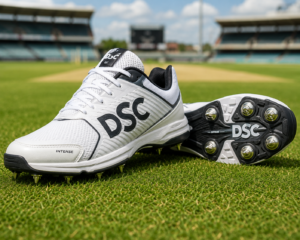
Engineered exclusively for natural grass playing surfaces, full-spiked shoes feature an aggressive pattern of 7 to 11 threaded metal spikes screwed into a rigid TPU (Thermoplastic Polyurethane) chassis.
-
Mechanical Function: These metal spikes completely penetrate the upper grass layer, embedding directly into the compacted clay underneath. This provides unyielding rotational stability and maximum linear acceleration, which is vital for preventing slipping during high-stress movements like a fast bowler’s delivery stride.
2. Molded Rubber Stud Outsoles (The Hard Surface Standard)
Commonly referred to as “turf shoes” or “rubber cleats,” these outsoles replace metal spikes with a high-density pattern of molded rubber nubs, dimples, or hard plastic lugs.
-
Mechanical Function: Instead of penetrating the ground, rubber studs utilize friction-based grip to distribute your body weight evenly across hard, unforgiving surfaces. This architecture prevents the painful upward pressure shock that occurs when a metal spike impacts a solid surface that it cannot penetrate.
Matching Footwear Architecture to Specific Pitch Types
The following classifications represent the definitive structural guide to selecting high-performance cricket footwear based on verified surface mechanics and player safety data.
1. Natural Grass Turf Pitches (Traditional Wickets)
Natural turf wickets are highly dynamic surfaces that shift dramatically depending on moisture content, clay composition, and match duration.
-
The Shoe Requirement: Full Metal Spikes are mandatory here. For batsmen and all-rounders, a half-spike configuration (metal spikes on the forefoot, molded rubber on the heel) offers the ultimate balance, allowing for sharp front-foot forward defense while providing smooth heel rotation during pulling or hooking shots.
-
Fast Bowler Exception: Fast bowlers require a specialized full-spike boot featuring an elevated ankle collar for maximum ligament protection, paired with reinforced toe caps to absorb the violent impact forces of the front-foot landing phase.
2. Artificial AstroTurf Pitches (Synthetic Wickets)
Popular in club cricket, indoor facilities, and regions with volatile weather, AstroTurf consists of synthetic green fibers laid directly over a hard concrete or compacted aggregate base.
-
The Shoe Requirement: Molded Rubber Studs / Dimpled Soles. Running onto AstroTurf with metal spikes is an immediate safety hazard; the metal cannot penetrate the concrete backing, causing the player to lose traction completely and slide dangerously. Furthermore, the rigid impact will cause severe shin splints and plantar fasciitis over extended sessions.
3. Concrete and Matting Pitches
Commonly found in grassroots cricket and community parks, these surfaces feature a heavy-duty coir or jute matting stretched tightly over a standard concrete slab.
-
The Shoe Requirement: High-Density Rubber Outsoles with Deep Lugs. Because matting can shift slightly under intense lateral force, shoes with deep, aggressive rubber patterns are vital to claw into the fabric weave. Look for models featuring thickened EVA (Ethylene-Vinyl Acetate) midsoles to deliver maximum shock absorption against the concrete foundation.
Technical Video: Choosing and Customizing Your Spike Configuration
To truly understand how professional athletes alter their spike patterns, apply anti-clogging elements, and inspect mid-sole flexibility before a major match, observing an expert gear breakdown is highly beneficial.
Step-by-Step Maintenance Blueprint to Preserve Shoe Structure
No matter which best cricket shoes for different pitch types you invest in, athletic footwear is an organic assembly of technical textiles, glues, and plastics that will decay rapidly under the harsh moisture, mud, and friction of the cricket field if left neglected. Implement this structural preservation protocol:
Step 1: Execute Post-Match Cleat De-Clogging
After every match played on natural turf, wet clay and grass fibers will pack densely into the threaded sockets of your metal spikes. If left to dry, this clay solidifies, rendering the spikes useless for your next match and corroding the screw threads. Your Action: Use a dedicated stiff-bristled wire brush and a spike wrench to thoroughly clean out the outsole channels immediately after stepping off the field.
Step 2: Implement Natural Desiccation (Moisture Evaporation)
Cricket matches frequently last 6 to 8 hours under intense morning dew or heavy sweat conditions. Never throw your wet cricket shoes into a sealed plastic kit bag or place them directly under a high-heat radiator, as intense heat warps the synthetic leather upper and liquefies the mid-sole glues. Your Action: Remove the internal insoles, stuff the toe boxes with clean newspaper to absorb moisture from the inside out, and let the shoes air-dry naturally in a well-ventilated, shaded room.
Step 3: Regular Thread Lubrication and Spoke Rotation
Metal spikes wear down unevenly depending on your running style (e.g., bowlers wear down the lateral edge of their dominant landing foot much faster). Your Action: Every month, use your spike wrench to unscrew all metal spikes. Apply a tiny drop of WD-40 or silicone lubricant into the female threads of the shoe chassis, rotate the worn spikes to lower-stress areas of the foot, and tighten them securely to prevent stripping the threads during a match.
Structural Performance Matrix: Footwear Comparison
To provide your readers with a clear, scannable reference to optimize their next equipment acquisition, review the compiled matrix of cricket shoe specifications below:
| Outsole Variant | Primary Surface Suitability | Shock Absorption Rating | Weight Profile | Ideal Player Position |
| Full Metal Spikes (11 Studs) | Soft / Wet Natural Turf | Medium (Requires TPU Plate) | Heavy | Fast Bowlers / Seamers |
| Half Spike (Front Metal / Rear Rubber) | Dry / Hard Natural Turf | High | Medium | Batsmen / Active Wicketkeepers |
| Molded Rubber Lugs (Deep) | Matting / Hard Hard-pack Clay | High | Light | Spin Bowlers / Dynamic Fielders |
| Dimpled Rubber Turf Shoes | Synthetic AstroTurf / Indoor | Ultra-High (Thick EVA) | Ultra-Light | Indoor Cricket / Junior Training |
Podiatric Health: The Danger of Incorrect Footwear Selection
Operating with incorrect footwear on a mismatched pitch type induces massive skeletal stress that directly correlates with chronic athletic injuries.
When a player wears full metal spikes on a concrete or synthetic base, the zero-penetration reality causes an immediate condition known as “spike pressure.” The entire force of your step pushes the metal thread directly upward into the ball of your foot, bypassing the midsole cushioning. This triggers localized bruising, metatarsalgia, and severe heel spurs.
Conversely, wearing flat rubber turf shoes on a damp, greasy natural grass field drops your traction metrics significantly, exposing your ankles to dangerous lateral rollover injuries, meniscus tears, and acute hamstring strains during explosive accelerations.
Final Verdict
Mastering your selection of the best cricket shoes for different pitch types is a matter of prioritizing mechanical surface data, proper podiatric support, and unyielding material maintenance over generic aesthetic trends. By deploying rigid full metal spikes to conquer soft natural grass turf, or utilizing high-density rubber studs to safely neutralize the harsh impact of synthetic AstroTurf, you successfully safeguard your lower limbs while unlocking peak acceleration capacity. Treat your cricket footwear with the exact same engineering respect you would show any high-performance sporting instrument—clean the threads, adapt your spike layouts to real-time pitch conditions, and enjoy the elite competitive advantage of total structural stability on the pitch.
Disclaimer: Cricket shoe specifications, structural outsole patents, and safety regulations vary across professional leagues and regional governing sports boards. This comprehensive equipment audit is compiled strictly for educational, historical, and athletic training informational purposes. Engaging in competitive outdoor sports always carries an inherent risk of physical injury and equipment wear. Players are legally obligated to inspect their footwear safety parameters, monitor joint health, and maintain strict personal safety boundaries at all times.
